
Modernize your business applications for today's challenges and tomorrow's opportunities.

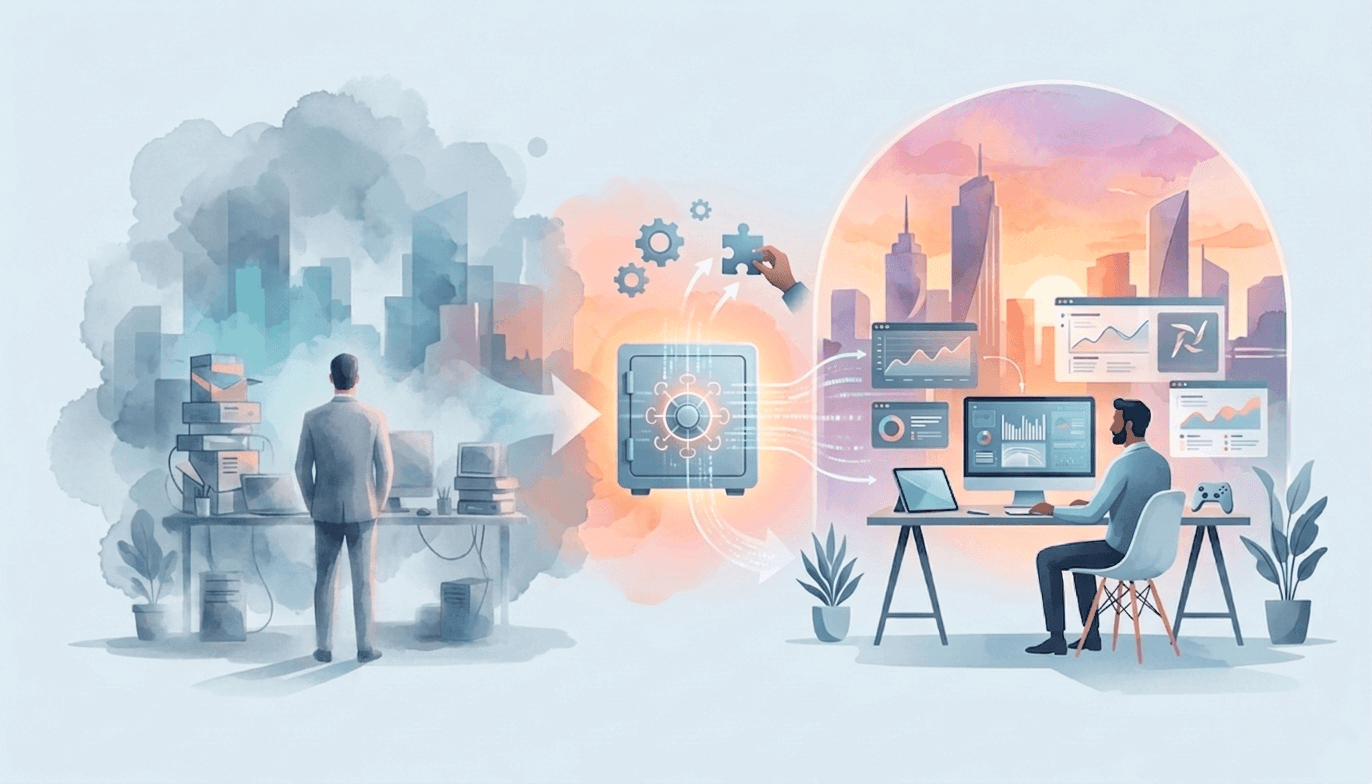
Your business applications are among your organization's most valuable technology investments. They support critical processes, contain years of business knowledge, and help your teams operate every day. But as technology evolves, even well-built applications can become increasingly difficult to maintain, enhance and integrate with modern platforms. Aging architecture and disconnected data can also make it difficult to take advantage of AI, intelligent automation, and other emerging technologies.

Whitecap helps organizations modernize custom business applications to improve performance, security, user experience, and long-term maintainability while building a stronger foundation for AI readiness. Whether you're migrating to the cloud, reducing technical debt, improving accessibility, modernizing architecture or preparing applications to securely connect with enterprise data and AI, we take a practical, phased approach that addresses today's challenges while preparing your business for what's next.

Get started

Signs Your App May Need Modernization

As business requirements and technology evolve, applications that once met your organization’s needs can begin slowing innovation, increasing operational costs and limiting your ability to take advantage of new capabilities such as AI and intelligent automation.

Common indicators include:

  • Enhancements take longer and cost more than expected.
  • The application relies on unsupported or aging technologies.
  • The user interface no longer meets employee or customer expectations.
  • Mobile and responsive experiences are difficult to support.
  • Accessibility standards such as WCAG or AODA are difficult to achieve.
  • Integrating with modern cloud services, APIs or enterprise data has become increasingly complex.
  • Performance, scalability or reliability issues are becoming more frequent.
  • Security improvements are difficult to implement.
  • Technical debt is limiting future development.
  • Critical application knowledge depends on a single developer, creating continuity risk.
  • Your application architecture or data is not ready to support AI, automation or intelligent agents.

Addressing these challenges early can extend the life of your application, reduce long-term maintenance costs, and create a more flexible foundation for future innovation. Modernizing architecture, integrations, and access to enterprise data can also help prepare your applications to securely support AI initiatives when your organization is ready.


App Modernization Approaches

Every application has a different history, architecture and role within the business. That's why there is no one-size-fits-all approach to application modernization.

Depending on your application's condition and your business goals, modernization may involve refreshing the user experience, migrating to the cloud, modernizing the architecture or codebase, improving integrations, optimizing databases, rebuilding selected modules, or, in some cases, replacing the application entirely.

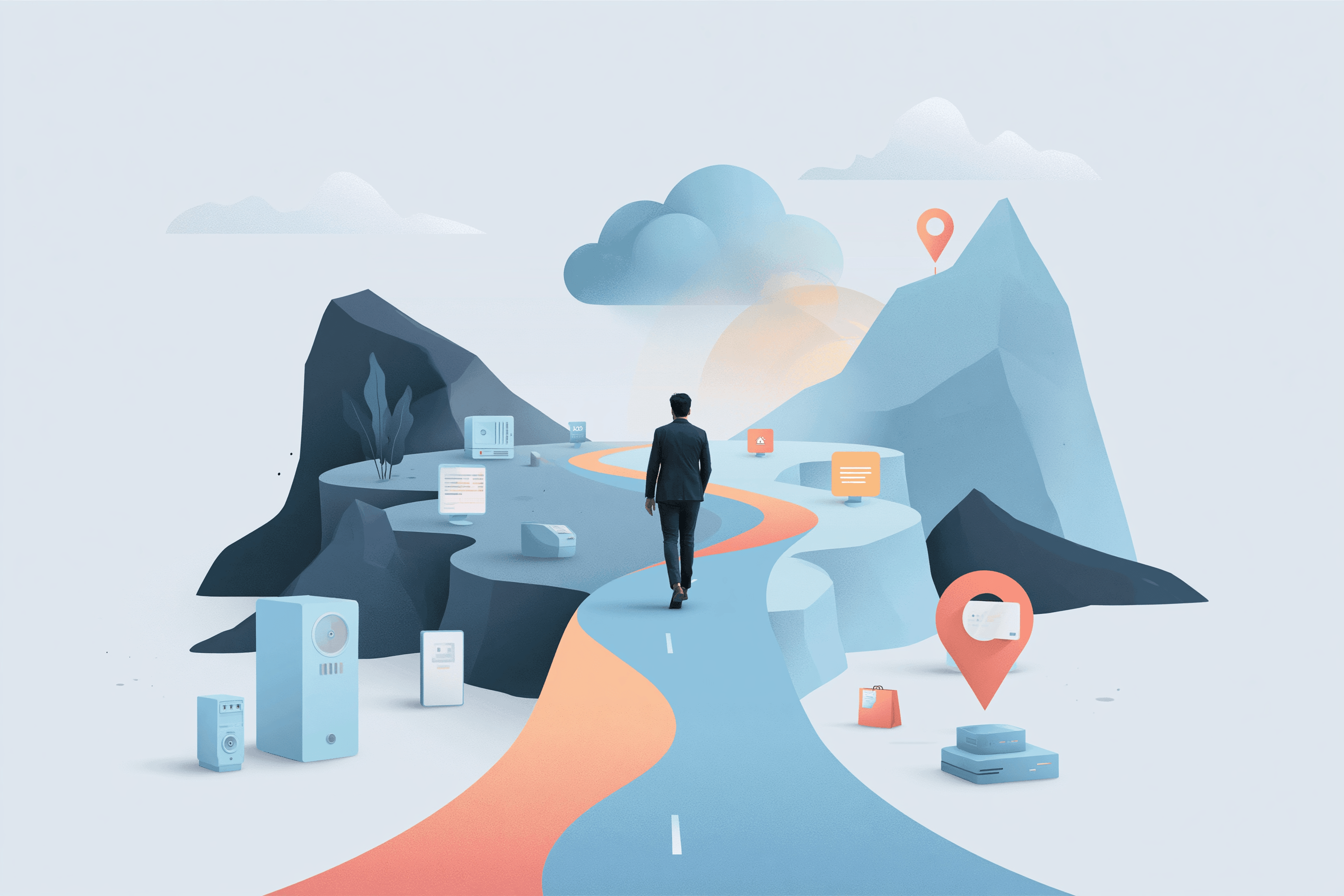
Rather than recommending the largest possible project, we evaluate your application's current state, business value and long-term objectives before developing a modernization roadmap that balances cost, risk and long-term return.

AI-Enabled App Modernization

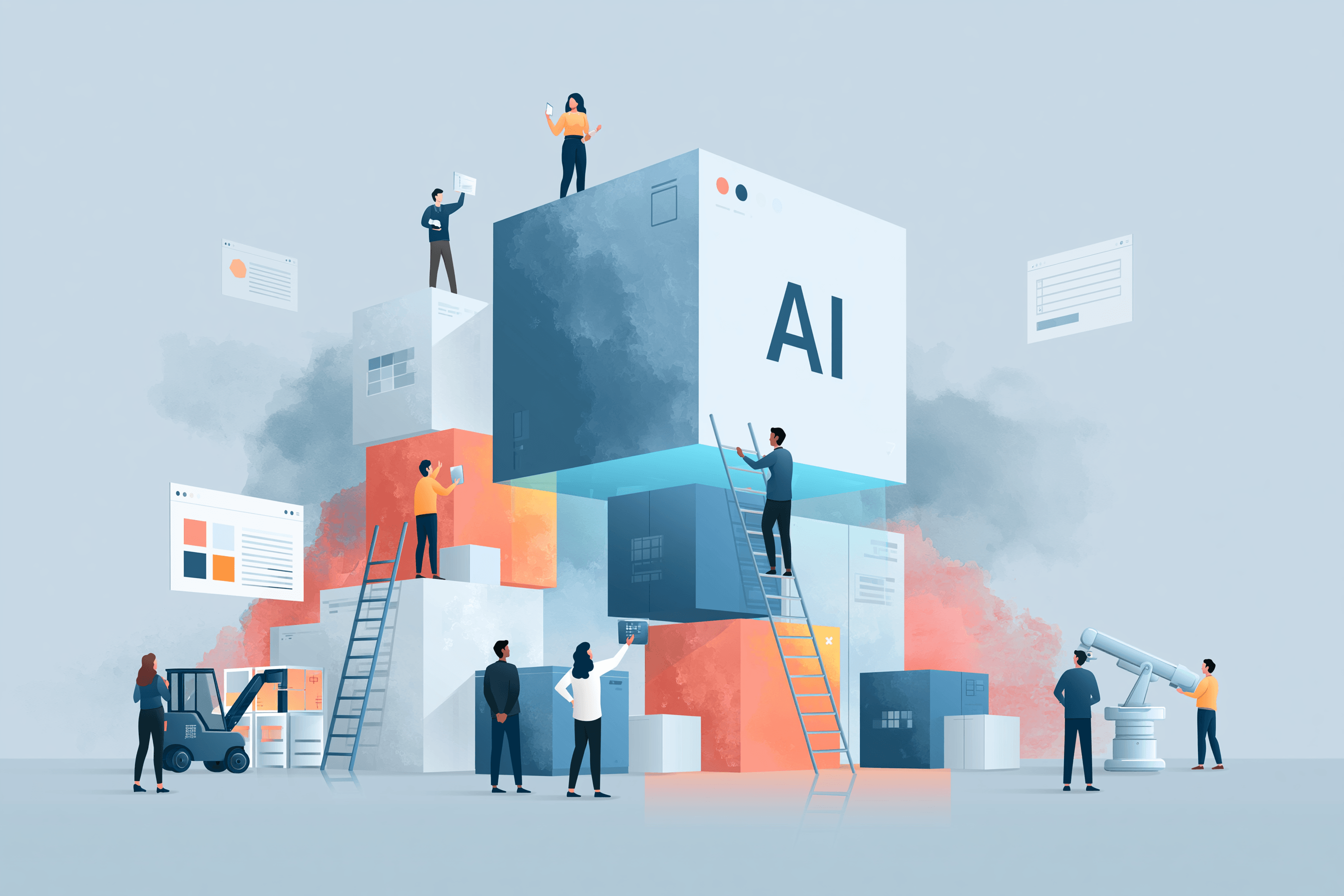
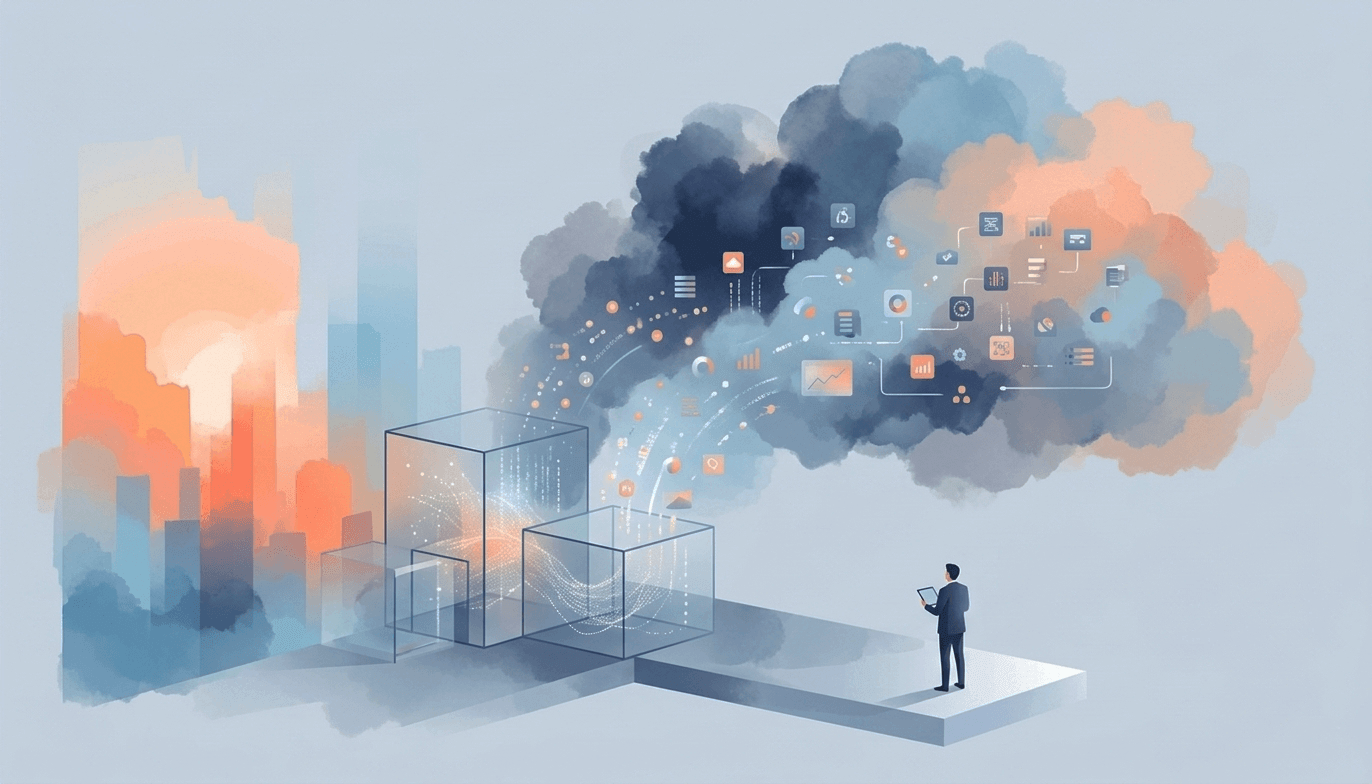
Application modernization is no longer just about maintaining legacy software. It's about preparing your business for what's next. Modern applications are built on secure, scalable architectures that make it easier to integrate with enterprise data, cloud services, automation and emerging AI technologies .

By modernizing today, your organization creates a stronger foundation for future innovation while improving performance, security, maintainability, and user experience.

Not every organization is ready to adopt AI today, and that's okay. But organizations with modern application architecture, connected data and well-maintained codebases will be far better positioned to leverage AI, intelligent automation and the next generation of business technologies when the time is right.

Our Application Modernization Services

Legacy Application Modernization

Aging technology and accumulated technical debt can make even simple application changes increasingly costly, slow and risky. We modernize legacy business applications by upgrading unsupported technologies, improving aging codebases and addressing technical debt while preserving the business logic and functionality your organization depends on. The result is a more maintainable, reliable application that is easier to enhance and better positioned to support future business requirements.

Cloud Application Modernization

Applications designed for on-premises infrastructure can limit scalability, increase infrastructure demands, and make it harder to take advantage of modern cloud capabilities. We re-architect and migrate applications to Microsoft Azure using modern cloud practices that improve scalability, resilience, security and operational efficiency. Whether rehosting, replatforming, refactoring or rebuilding selected components, we help create a cloud foundation that supports your needs today while enabling future data, automation and AI initiatives.

User Experience Modernization

Outdated or cumbersome interfaces can frustrate users, reduce productivity, and make otherwise valuable applications feel obsolete. Our UX/UI specialists redesign aging interfaces to create intuitive, responsive experiences while preserving the workflows and functionality users already understand. Modernized applications can be easier to learn and use while providing a consistent experience across desktop, tablet and mobile devices.

Accessibility Modernization

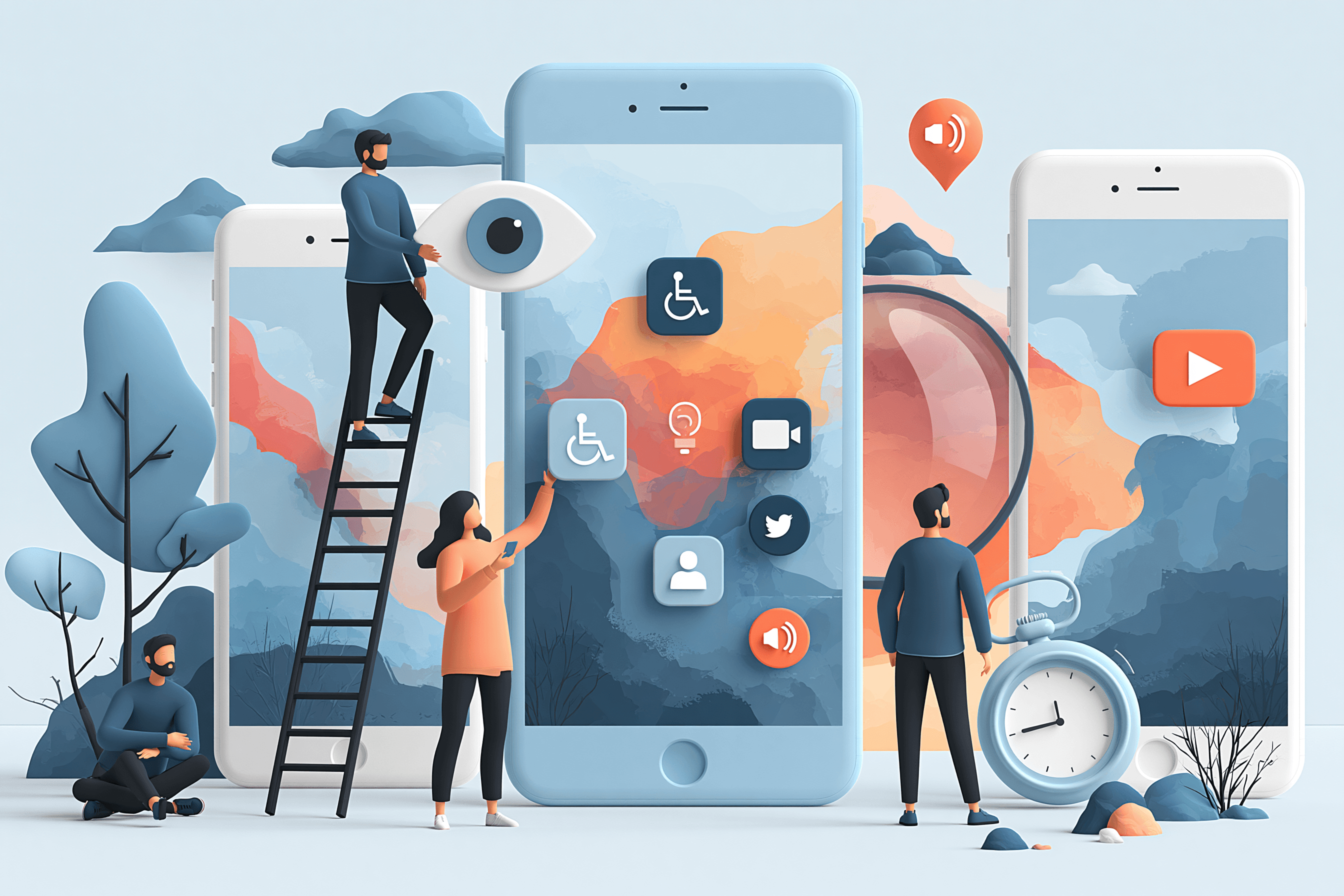
Older applications may not meet today's accessibility requirements, creating barriers for users and compliance risks for your organization. We assess and modernize applications to support current accessibility standards, including WCAG and AODA, while improving usability for everyone. Incorporating accessibility into a broader modernization initiative can also make improvements more efficient and sustainable as the application continues to evolve.

Application Architecture Modernization

Rigid or tightly coupled architecture can make new features, integrations and even routine enhancements increasingly difficult to implement. We modernize application architecture by improving code quality, simplifying dependencies, introducing APIs and creating more modular, maintainable systems. A flexible architecture makes applications easier to evolve while creating a stronger foundation for cloud services, enterprise data, automation and future AI capabilities.

Integration & Data Modernization

Disconnected applications and siloed data create manual work, duplicate information, and make it difficult to get a complete view of the business. We connect applications with ERP and CRM systems, Microsoft 365, SharePoint , Microsoft Fabric , Power Platform and other enterprise data sources using secure APIs and modern integration patterns. Better-connected systems improve data consistency and operational efficiency while creating a stronger data foundation for analytics, automation and AI.

AI Readiness Modernization

Many existing applications weren't designed to securely connect enterprise data with AI platforms, Copilots or intelligent agents. We assess the application foundation and modernize the architecture, APIs, integrations, data access and security needed to support AI capabilities when there is a clear business case. This allows organizations to improve AI readiness as part of their broader modernization strategy without making AI the starting point—or adding it where it doesn't deliver meaningful value.

Security Modernization

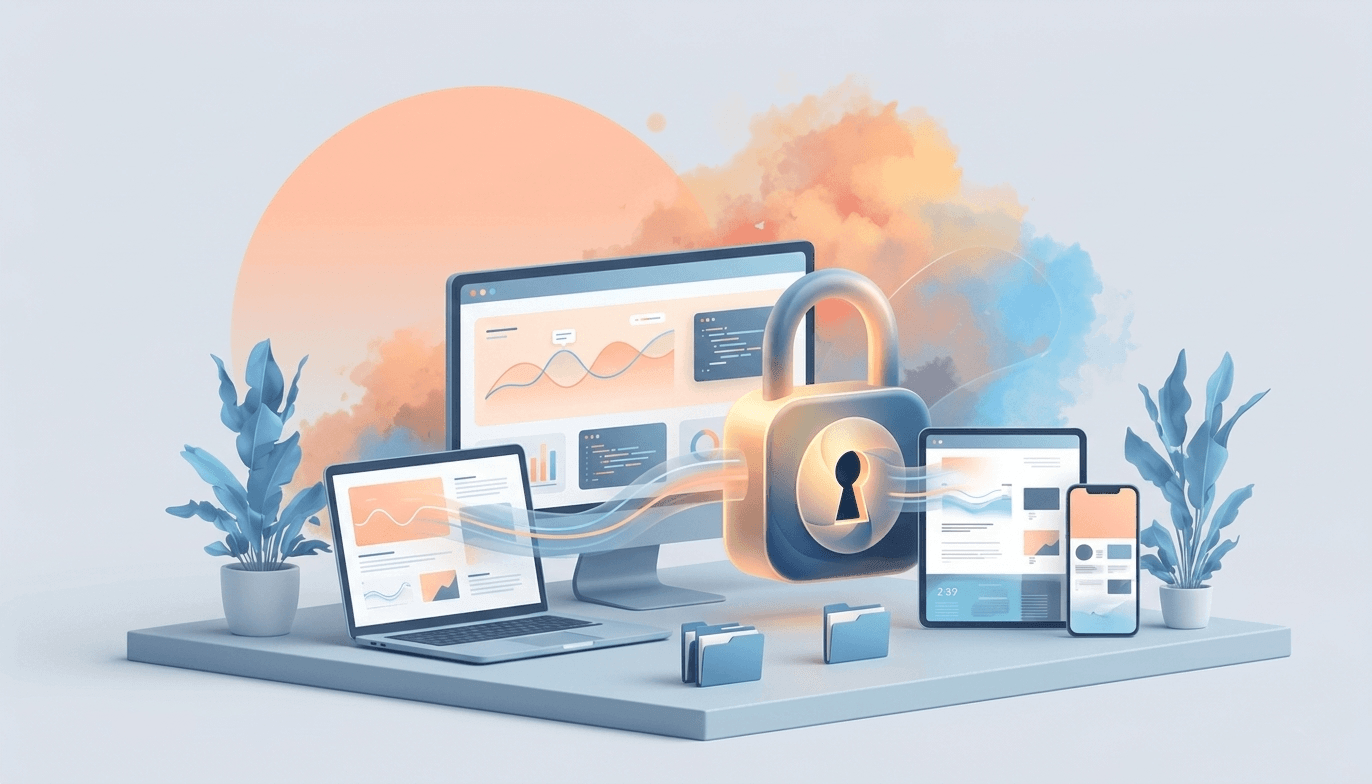
Legacy security models can expose applications to unnecessary risk and make it difficult to meet today's security and governance requirements. We strengthen application security through modern authentication and authorization, data protection, monitoring, and governance practices. Modern security architecture reduces risk today while providing the controls needed to safely connect business-critical applications with cloud services, enterprise data, automation, and AI.


Application Modernization in Practice

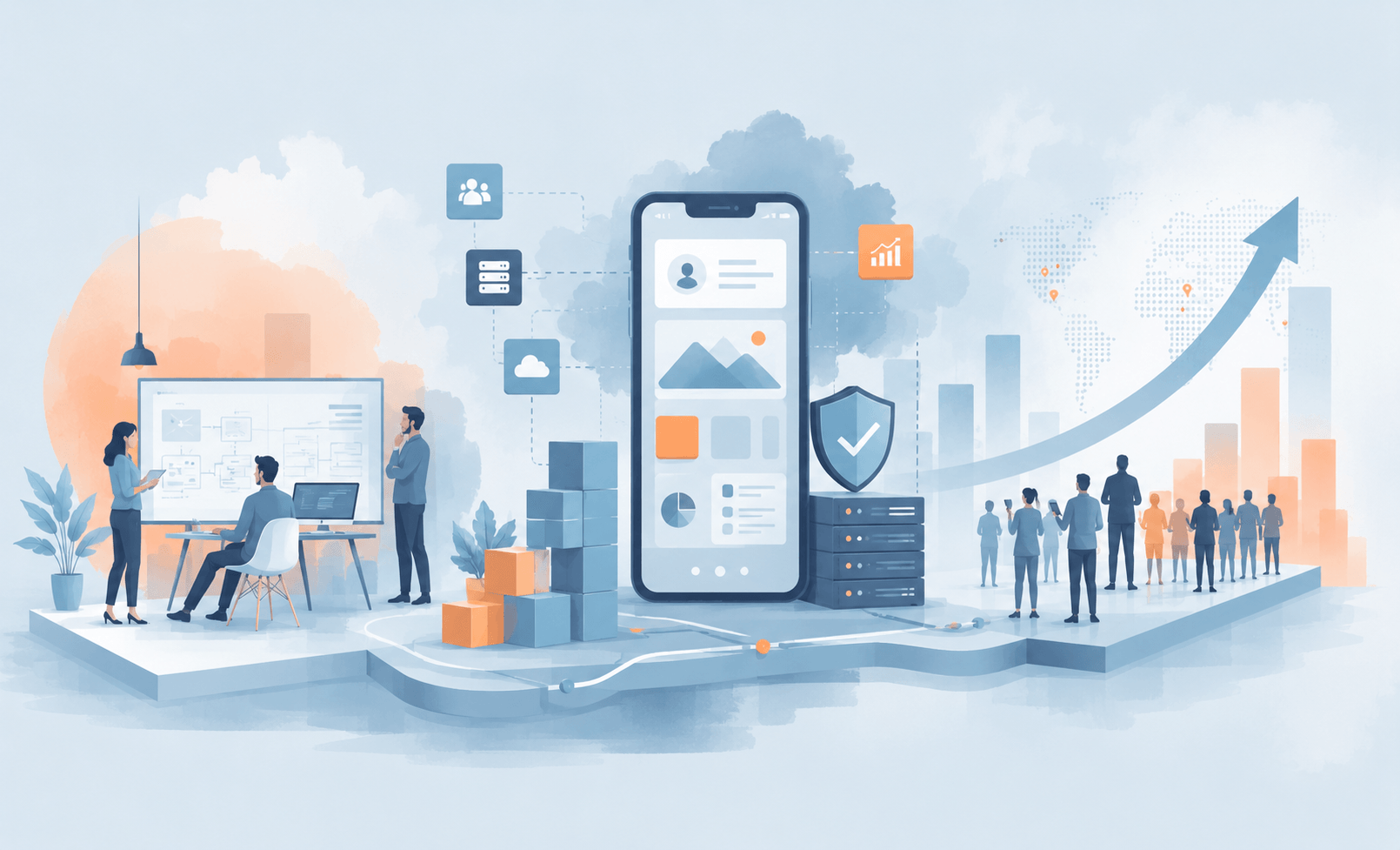
Application modernization looks different for every organization. From re-architecting legacy systems and migrating to the cloud to modernizing user experiences, integrations and data, our work helps clients extend the value of existing applications while creating a stronger foundation for future growth and innovation. Here are just a few examples of our work:


Our Application Modernization Process

Application modernization starts with understanding what is worth preserving, what needs to change, and where modernization can deliver the greatest business value. Our approach balances immediate priorities with long-term flexibility, helping you modernize at a pace that makes sense for your organization.

1. Assess

We start by understanding your application, users, business processes, and future objectives. Our team evaluates the existing architecture, codebase, integrations, data, security, performance, user experience, and technical debt to identify risks and opportunities. We also consider future requirements, including cloud adoption, analytics, automation, and AI readiness.

2. Plan

Based on the assessment, we develop a practical modernization roadmap. We determine what should be retained, upgraded, refactored, rebuilt or replaced and prioritize initiatives based on business value, technical complexity, risk and budget. Where possible, modernization is broken into manageable phases that deliver incremental value.
3. Modernize

Our development and UX teams implement the modernization roadmap using current architecture, development, security, and design practices. This may include re-architecting for the cloud, modernizing code and databases, refreshing the user experience, improving accessibility, creating APIs or connecting enterprise systems and data; all while minimizing disruption to ongoing operations.

4. Validate & Deploy

Modernization shouldn't compromise the business functionality your users already depend on. We thoroughly test functionality, integrations, performance, security, accessibility and user experience before deployment, with careful planning to minimize risk and disruption during the transition.
5. Evolve

Modernization creates a platform for continued improvement. Once the foundation is in place, applications can evolve more easily as business requirements change—whether that means adding new functionality, connecting additional data sources, introducing automation and analytics, or integrating AI and intelligent agents when the opportunity makes sense.

Technologies We Modernize

Our team modernizes a wide range of Microsoft and custom application technologies, including:

  • Legacy .NET Framework applications
  • ASP.NET and ASP.NET Core applications
  • Windows desktop applications
  • Web-based business applications
  • SQL Server databases
  • Microsoft Azure
  • Power Platform
  • Microsoft Fabric
  • SharePoint-integrated applications
  • Custom portals
  • Enterprise APIs
  • Mobile business applications
 

Frequently Asked

Let's
Chat

Let’s start reimagining your business — Contact Us